Antique Cameras
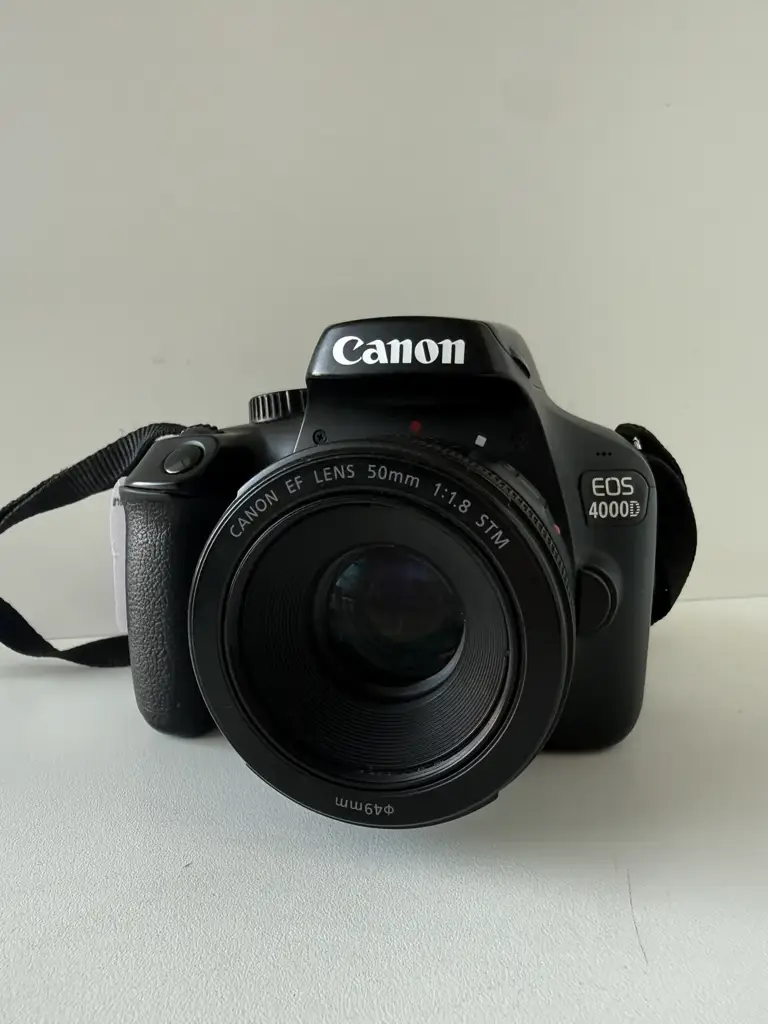
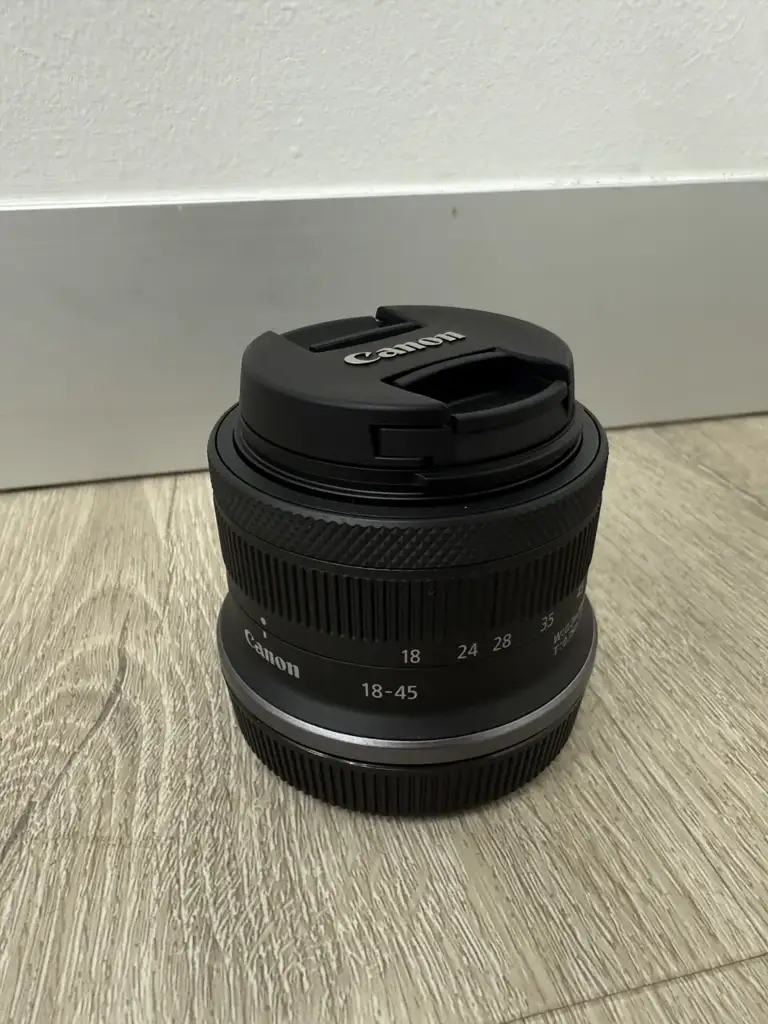
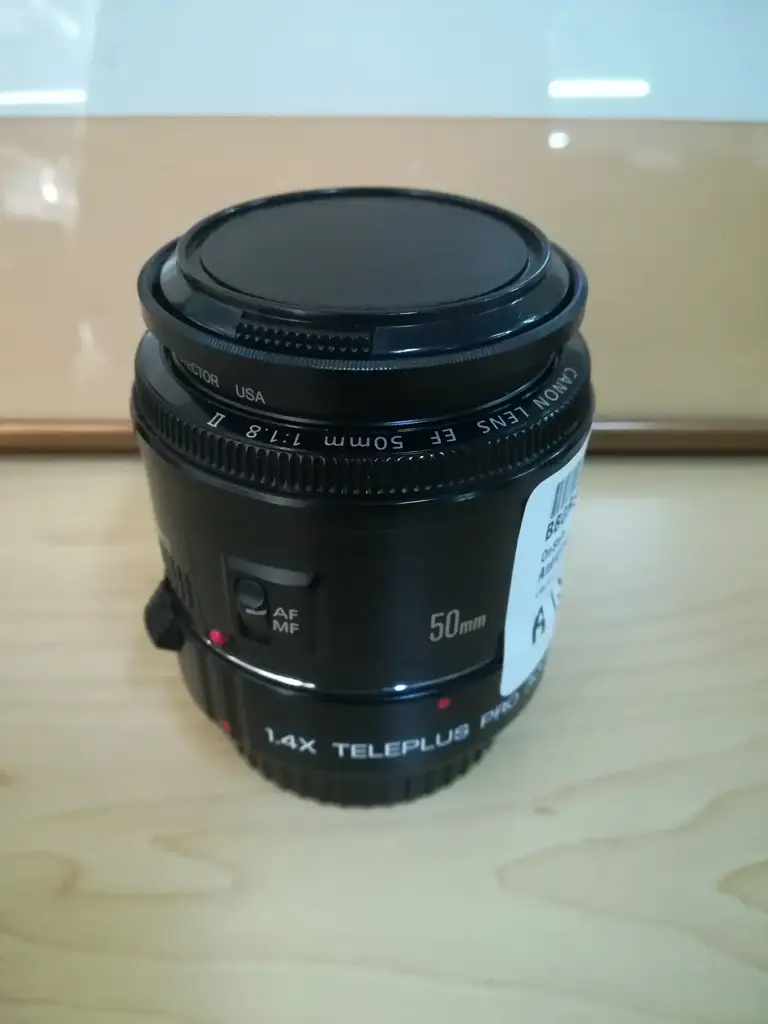
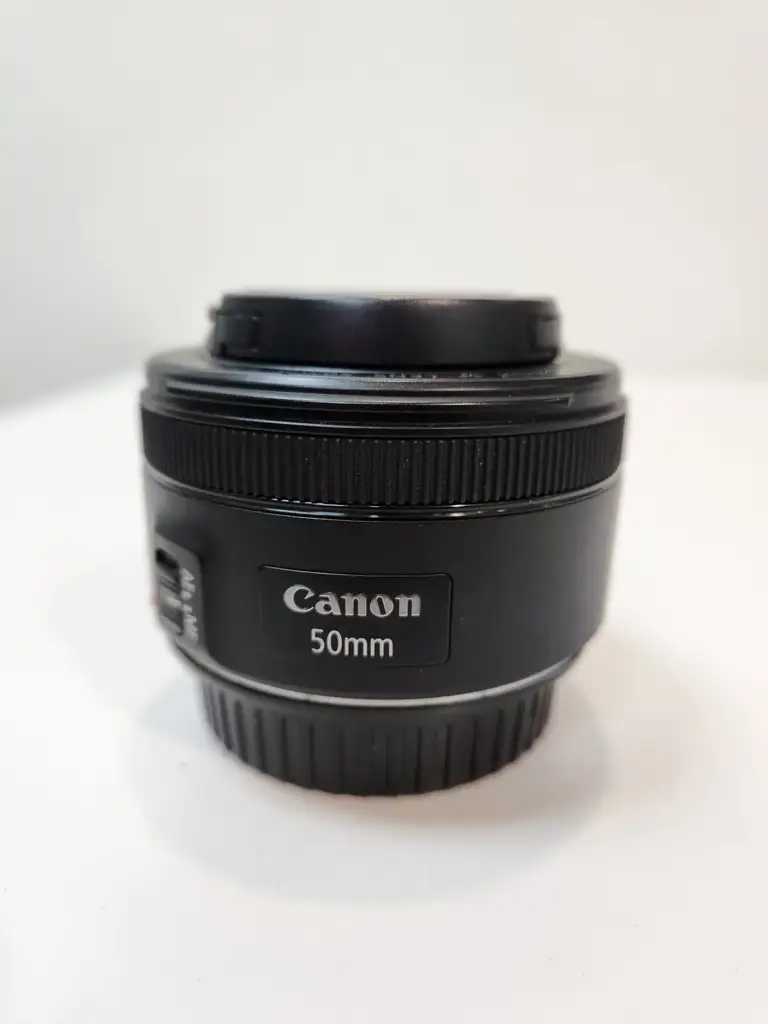
Canon Ef 50Mm 1:1.8 Stm Lens
R 1 999
Store Moreleta Square

Copyright © 2026, Cash Converters. All Rights Reserved.

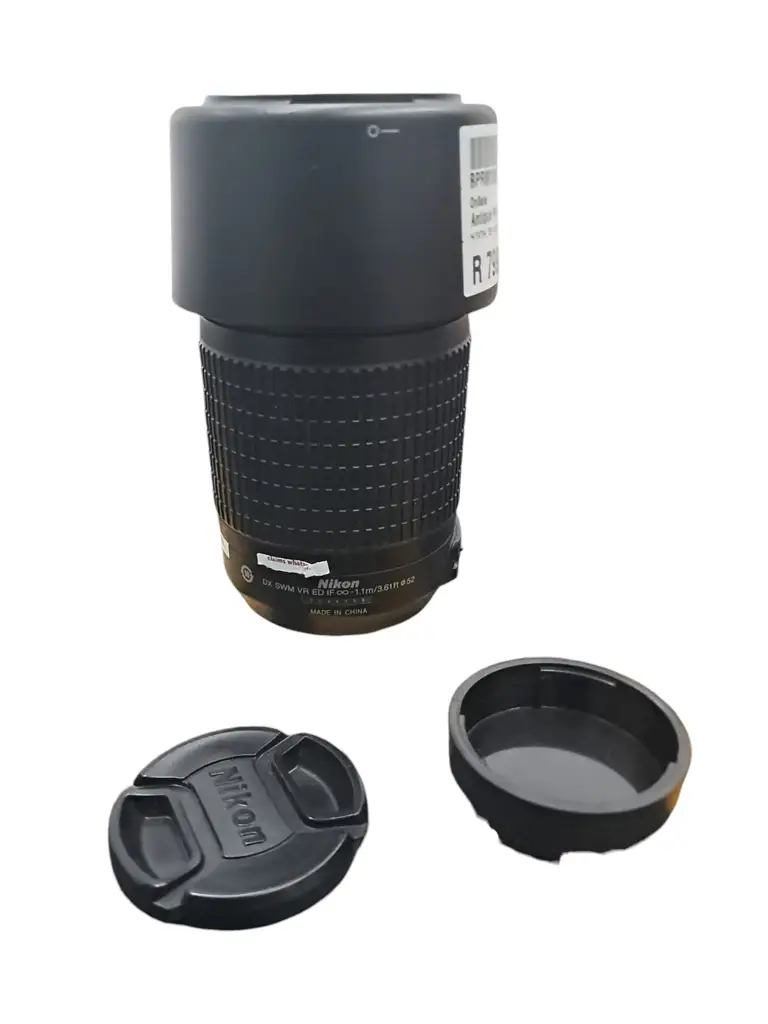
Compared to Nikon 18-200mm Optics: Mechanics: Ergonomics: Usefulness: Availability: Overall: Ideal Uses: Perfect for use on every DX digital Nikon. Great sports, nature and portrait lens; there's no need to pay more. Not for: FX or film cameras. Introduction top Intro Specs Performance Usage Recommendations GO Adorama pays top dollar for your used gear. Amazon Search all B&H Go The Nikon 55-200mm VR is a superb lightweight, plastic-mount lens with outstanding performance. So long as you're careful not to break the plastic lens mount, this is an extraordinary lens in every way. Even if you break it, it's cheap enough that you can buy another and still be out less money than if you had bought the larger 70-300mm VR. I own the more expensive alternatives, and I usually use this 55-200mm VR instead because it's easier to carry and more fun to use. I have this 55-200mm VR, the 70-300mm VR, the 80-400mm VR and the huge 80-200mm f/2.8 AF-s. This tiny 55-200mm VR is the first tele I grab for my D40. I grab the 70-300mm VR for larger FX or film cameras, but not for DX. I never use the 80-400mm VR or 80-200mm f/2.8 AF-s because they are too big. The Nikon 55-200mm VR is very inexpensive. It's the telephoto lens bargain of the decade at only about $230. Sharpness and performance are extraordinary. A lens this inexpensive never used to have the right to be this embarrassingly good. VR (Vibration Reduction or image stabilization) works great; I can shoot at 1/30 at 200mm and get sharp shots without a tripod! The results are amazing on my 12 megapixel D300, and the 55-200mm VR is so tiny it feels perfect for travel on my D40. I'm addicted to Vibration Reduction (VR) because it's critical to getting sharp shots with telephoto lenses. VR eliminates camera shake, the biggest reason people get blurry shots with telephoto lenses. The Nikon 55-200mm VR is significantly better for hand-held shooting than non-VR tele lenses, including the non-VR 55-200mm, because the VR helps ensure sharp shots that otherwise are often blurred. VR is less important with normal lenses, and very important with telephoto lenses. See Image Stabilization for more. Unlike most of the alphanumeric gibberish on lenses, VR is really, really important. VR can't stop your kids from moving, but it does a spectacular job of letting me shoot in the dim light I love without a tripod. The 55-200mm VR zooms easily and precisely. The zoom range is well spaced, and VR works great. It focuses reasonably quickly, but not as fast as more expensive lenses. I have no problem tracking my 2-year-old in action with my D40. The 55-200mm VR doesn't offer instant manual focus override: you have to move a switch, but for the price, I'm not complaining. Forget the old non-VR 55-200mm. This 55-200mm VR lens costs little more, and VR makes a huge difference with teles. Compatibility back to intro back to top Everything works perfectly on every DX digital Nikon, and especially on Nikon's cheapest digital D40, D40x, D60 and D5000. It does not work well on FX or film cameras. It usually cuts off the far corners of the image. It appears to work at most focal lengths on film and FX, although at 80mm all the corners are dark. At most other focal lengths the darkening isn't that bad, so long as you know you're not really supposed to use the 55-200mm VR on anything other than a DX digital camera. See Nikon Lens Compatibility for details with your camera. Read down the "AF-S, AF-I," "G" and "VR" columns for this lens. You'll get the least of all the features displayed in all columns, since "G" (gelding) is a handicap which removes features. Nikon 55 200 VR Nikon 55 200 VR. enlarge. Specifications top Intro Specs Performance Usage Recommendations Nikon 55-200 Bottom, Nikon 55-200 VR. enlarge. Nikon calls this the Nikon 55-200mm f/4-5.6G IF-ED AF-S DX VR Zoom-Nikon Focal Length top 55-200mm. Used on a digital Nikon it gives angles of view similar to what an 85-300mm lens would give on a 35mm film camera. See also Crop Factor. Optics top 15 elements in 11 groups. One of them is made of magic ED glass. Diaphragm top 7 rounded blades. Stops down to f/22 - 32. Close Focus top 3.6 feet (1.1m). Maximum Reproduction Ratio top 1:4.3.
More products in Antique Cameras.

Cash Converters Greenstone